

From Comfort Awareness to Comfort Engineering: How Lingerie Is Evolving for 2026
Introduction: From a Feeling to a System
Over the past few years, “comfort” has transformed from a secondary selling point into a defining expectation in lingerie. What was once framed as a trade-off—beauty versus comfort—is now widely rejected by modern consumers. By 2025, comfort awareness had reached a tipping point. Women across Western markets began questioning why lingerie should ever hurt, restrict, or require endurance.
As the industry moves toward 2026, however, a new realization is emerging: awareness alone is not enough. Comfort cannot rely solely on softer fabrics or looser silhouettes. True comfort must be engineered—built into the structure, components, and finishing details that define how lingerie performs throughout the day.
This shift from comfort awareness to comfort engineering marks a critical evolution for lingerie brands, designers, and suppliers alike.
1. Comfort Awareness in 2025: A Cultural Turning Point
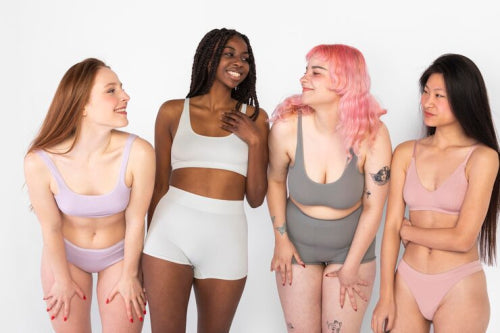
The comfort conversation gained momentum as broader cultural changes reshaped how women viewed their bodies. Movements such as body positivity gradually evolved into body neutrality, encouraging women to focus less on appearance and more on how clothing supports daily life.
By 2025, Western consumers had grown more vocal about discomfort caused by traditional lingerie design. Common frustrations included:
- Underwires that dig or distort after hours of wear
- Bra straps that slip or create shoulder pressure
- Hardware that feels cold, rigid, or irritating against the skin
- Decorative details that compromise function
Lingerie was no longer reserved for special occasions. It became a daily essential, worn during long workdays, commutes, travel, and hybrid lifestyles. Comfort shifted from being an emotional preference to a functional requirement.
2. Why Awareness Alone Is No Longer Enough
Despite the widespread conversation around comfort, many products failed to deliver meaningful improvement. Brands introduced softer lace, seamless cups, or wireless silhouettes—yet consumer complaints persisted.
Why?
Because comfort does not fail at the design concept stage; it fails at the execution stage.
Even the softest fabric cannot compensate for:
- Poorly shaped underwires
- Inflexible metal buckles
- Rough or low-quality plating
- Limited adjustability in straps and closures
As lingerie evolves into a performance-driven category, brands must look beyond surface aesthetics and address the invisible elements that determine how a garment behaves in motion.
3. Comfort Engineering: The New Standard for 2026


Comfort engineering refers to designing lingerie as a system—where every component contributes to fit, flexibility, and long-term wearability.
In 2026, comfort engineering focuses on:
- Pressure distribution rather than compression
- Adjustability instead of fixed sizing
- Material performance over decorative excess
- Durability as part of sustainability
Rather than asking “Does this look comfortable?”, designers are asking:
How does this garment adapt to movement, body changes, and extended wear?
The answer lies in the smallest details.
4. The Role of Lingerie Accessories in Comfort Engineering

While fabrics receive most consumer attention, lingerie accessories quietly determine the success—or failure—of comfort engineering.
Underwires
Modern underwires are no longer rigid supports. Their shape, flexibility, and surface finish influence how weight is distributed across the bust. Poorly engineered wires can create pressure points, while precision-shaped and coated wires enhance lift without discomfort.
Bra Buckles & Hooks
Buckles and hooks must balance strength with flexibility. A well-designed closure provides security without stiffness, ensuring stability while allowing natural movement.
Strap Adjusters & Sliders
Adjustability is essential for bodies that change throughout the day and over time. High-quality adjusters allow micro-adjustments, improving posture support and reducing shoulder strain.
Metal Finishes
The finish quality of metal components affects not only aesthetics but also skin comfort. Smooth, high-precision plating prevents irritation, discoloration, and premature wear.
Together, these components form a comfort system—one that consumers may not see, but immediately feel.
5. How Xinxu Supports Comfort Engineering for 2026


As lingerie brands move toward comfort engineering, choosing the right accessory partner becomes critical. Xinxu Underwear Accessory (HK) operates behind the scenes, supplying precision-engineered components that support both comfort and design integrity.
Core Strengths
- Specialized manufacturing of underwires, bra buckles, strap adjusters, rings, and metal trims
- Advanced coating and plating technology for smooth skin contact
- Stable production quality suitable for long-term, everyday wear
- Deep understanding of both fashion aesthetics and functional requirements
Customization & Development
Xinxu supports brands through:
- OEM & ODM services
- Custom shapes, sizes, and finishes
- Sampling and iterative development
- Scalable production for global markets
By focusing on the smallest details, Xinxu helps brands translate comfort concepts into tangible, wearable results.
6. Why Finish Quality Matters More Than Ever
Finish quality is often underestimated—yet it plays a direct role in comfort, durability, and perceived value.
Low-quality plating can result in:
- Rough edges or uneven surfaces
- Skin irritation or allergic reactions
- Color fading and corrosion
- Reduced product lifespan
High-precision coating and plating, on the other hand, ensure:
- Smooth, skin-friendly contact
- Consistent visual appearance
- Resistance to sweat and wear
- Long-term performance aligned with sustainability goals
In 2026, finish quality is no longer a cosmetic detail—it is a functional necessity.
7. Preparing for the Next Generation of Lingerie Design
As the industry moves forward, brands that succeed will be those who treat comfort as a design discipline, not a marketing promise.
Key priorities for 2026 include:
- Investing in adjustable, modular systems
- Collaborating closely with accessory suppliers
- Prioritizing durability alongside sustainability
- Educating consumers on what truly defines quality
Comfort engineering bridges the gap between intention and experience—and it begins at the component level.
Conclusion: Comfort Is No Longer a Feeling—It’s a Design Discipline
The evolution from comfort awareness to comfort engineering represents a fundamental shift in lingerie design. By 2026, consumers will expect comfort to be measurable, consistent, and long-lasting.
Brands that recognize the importance of structure, accessories, and finish quality will be best positioned to lead this transformation. With precision-engineered components and dedicated development support, partners like Xinxu Underwear Accessory (HK) help turn comfort from an abstract idea into a reliable reality.
Q&A: Comfort Engineering in Modern Lingerie
Q1: What does “comfort engineering” mean in lingerie?
Comfort engineering refers to designing comfort through structure, components, and material performance—not just fabric softness.
Q2: Why are lingerie accessories so important for comfort?
Accessories control fit, pressure distribution, adjustability, and durability, all of which directly affect daily wear comfort.
Q3: How do underwires influence comfort?
Well-shaped, properly coated underwires provide support while minimizing pressure and irritation.
Q4: Does metal finish quality really matter?
Yes. High-quality finishes improve skin contact, reduce wear, and extend product lifespan.
Q5: How does Xinxu support lingerie brands preparing for 2026?
Xinxu offers precision manufacturing, customization services, and consistent quality control to support next-generation comfort-focused lingerie design.