

The Hidden Costs of Low-Quality Hardware—and How to Avoid Them
Introduction: When Small Hardware Creates Big Problems
In lingerie, swimwear, and intimate apparel, hardware components—such as bra buckles, strap adjusters, underwires, and metal trims—are often treated as minor details. Many brands focus heavily on fabrics, silhouettes, and prints, while hardware is selected late in the development process, frequently based on price.
However, experienced buyers and product managers know a different reality:
low-quality hardware quietly creates some of the highest long-term costs in the supply chain.
From product returns and negative reviews to compliance risks and brand reputation damage, the true cost of cheap hardware is rarely reflected in the initial purchase price.
This article explores the hidden costs of low-quality hardware and explains how brands can avoid them through smarter sourcing, better testing, and certified manufacturing partners like Xinxu Garment Accessories.
Hidden Cost #1: Product Returns and Warranty Claims


Hardware failure is one of the top three reasons for returns in lingerie and swimwear categories.
Common issues include:
- Buckles cracking under tension
- Adjusters slipping and losing grip
- Plating peeling after washing
- Metal parts deforming during wear
While fabric issues may be forgiven by consumers, hardware failure is immediately visible and frustrating. A broken buckle renders the entire garment unusable.
Each return carries hidden expenses:
- Reverse logistics and restocking
- Customer service handling
- Refund processing
- Lost lifetime customer value
A buckle that saves $0.03 at sourcing can easily cost $10–$30 per return.
Hidden Cost #2: Damage to Brand Perception

Consumers associate hardware quality directly with brand positioning.
A beautifully designed bra made with flimsy, lightweight metal hardware creates a disconnect. Shoppers may not know exactly why the product feels “cheap,” but they sense it immediately.
Low-quality hardware leads to:
- Poor unboxing experience
- Lower perceived value
- Reduced willingness to repurchase
- Negative word-of-mouth
In premium and mid-market segments, hardware is one of the fastest signals of quality—often noticed before stitching or construction.
Hidden Cost #3: Compliance and Regulatory Risks
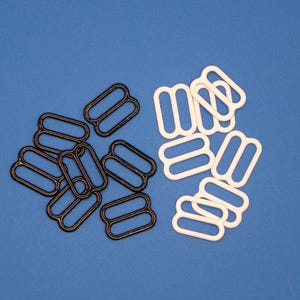
For brands selling in the United States and Europe, hardware compliance is not optional.
Low-quality hardware may contain:
- Excessive nickel release
- Heavy metals
- Unapproved dyes or coatings
These issues expose brands to:
- Failed lab tests
- Shipment delays
- Retailer chargebacks
- Legal liability
Xinxu hardware is certified under OEKO-TEX® Standard 100 (Product Class II), meaning it is safe for direct skin contact and tested against harmful substances according to international standards.
This dramatically reduces compliance risks for global brands.
Hidden Cost #4: Inconsistent Production and Delays
Low-quality hardware suppliers often lack:
- Stable material sourcing
- Process control
- Consistent plating thickness
- Reliable QC systems
This results in:
- Color inconsistency across batches
- Weak plating adhesion
- Dimensional instability
- Last-minute production issues
In contrast, Xinxu operates under Intertek’s Trim Supplier Qualification Program (TQP), which evaluates:
- Management systems
- Risk management
- Process control
- Product testing
- Ongoing monitoring
This ensures production stability across large-scale orders, not just samples.
Hidden Cost #5: Increased Design Limitations
Designers often compromise aesthetics when working with low-end hardware:
- Logos cannot be engraved cleanly
- Custom shapes lack precision
- Finishes appear flat or uneven
- Color-matching is inconsistent
High-quality manufacturers like Xinxu offer:
- Custom mold development
- Laser engraving and embossing
- DTM enamel color matching
- Multiple plating textures
This allows brands to design without limitation, rather than designing around supplier weaknesses.
Hidden Cost #6: Shorter Product Lifespan
Consumers increasingly expect lingerie and swimwear to last beyond a few wears. Hardware that corrodes, fades, or breaks quickly shortens product lifespan and increases sustainability concerns.
Premium hardware improves:
- Wear resistance
- Wash durability
- Sweat and saltwater resistance
- Long-term aesthetic consistency
Longer-lasting products = fewer returns, fewer complaints, stronger brand loyalty.
How to Avoid These Hidden Costs
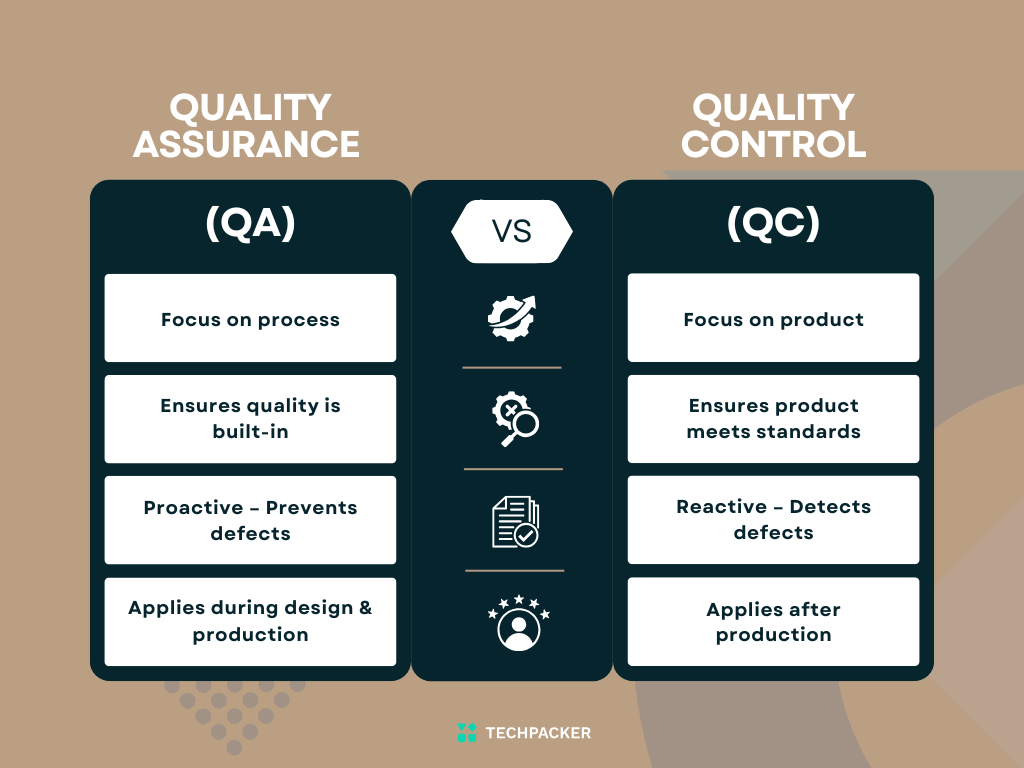
1. Choose Certified Hardware Suppliers
Look for:
- OEKO-TEX® certification
- Third-party audits (Intertek, SGS, BV)
- Transparent test reports
2. Prioritize Material Quality
Understand the difference between:
- Zinc alloy vs. stainless steel
- Coated vs. uncoated metal
- Plating thickness and adhesion
3. Require Proper Testing
Key tests include:
- Pull-strength testing
- Corrosion and sweat resistance
- Wash durability
- Nickel release testing
4. Evaluate Long-Term Value, Not Unit Price
The cheapest component often becomes the most expensive over time.
5. Work With a One-Stop Hardware Partner
Suppliers like Xinxu offer:
- Underwires
- Bra buckles
- Strap adjusters
- Swimwear metal trims
This reduces coordination risk and ensures consistency across collections.
Why Global Brands Choose Xinxu
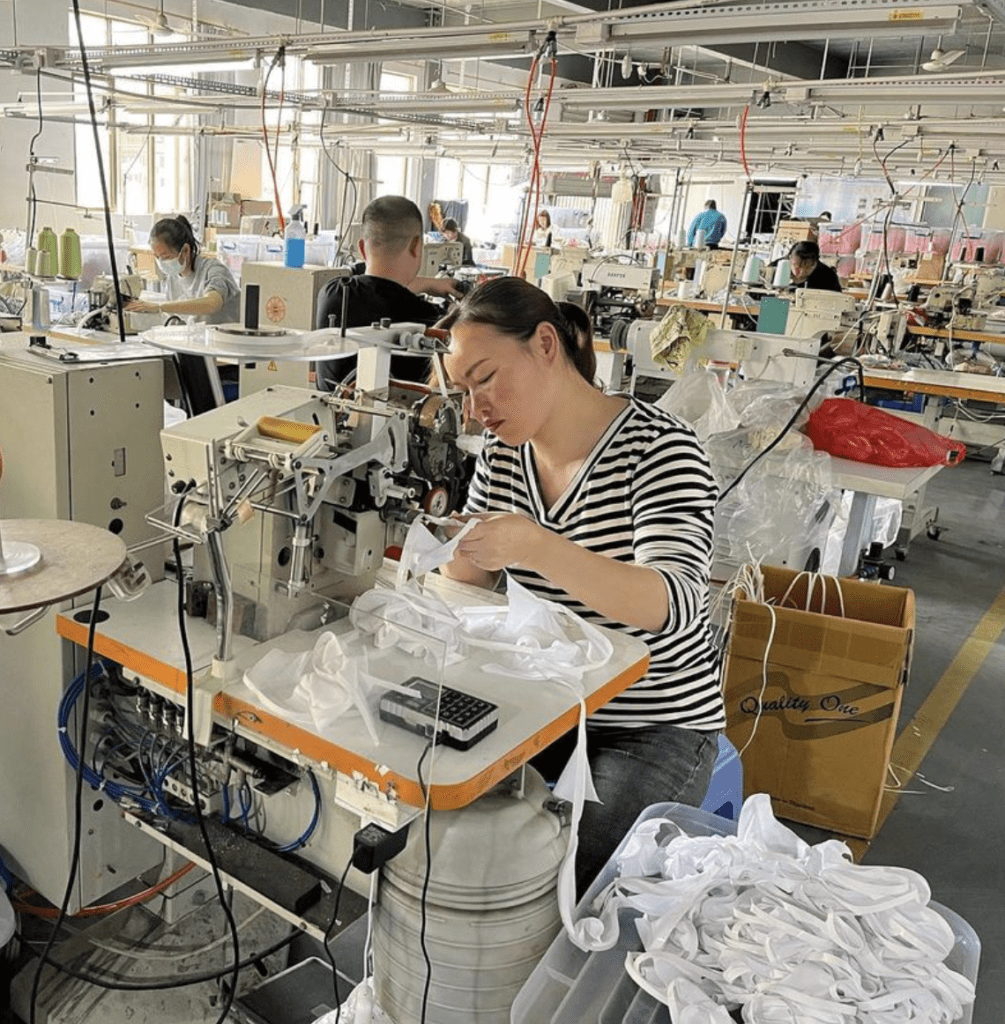
Xinxu provides:
- OEKO-TEX® Standard 100 Class II certified products
- Intertek TQP Achievement Award–approved factory systems
- Advanced plating and coating technology
- Custom logo and mold development
- Flexible MOQ and fast sampling
- Stable mass production for global markets
With over 20 years of specialization in lingerie and swimwear hardware, Xinxu helps brands avoid hidden costs and build long-term product success.
Q&A: What Buyers and Brands Need to Know About Hardware Quality
Q1: Why does low-quality hardware fail more often than fabrics?
Because hardware is exposed to constant mechanical stress—tension, friction, bending, and repeated adjustment—while also coming into contact with sweat, skin oils, detergents, and sometimes saltwater. If the metal composition, coating, or plating thickness is insufficient, failure is inevitable regardless of fabric quality.
Q2: What are the most common signs of low-quality bra hardware?
Typical warning signs include:
- Buckles cracking or deforming under normal tension
- Strap adjusters slipping and losing grip
- Plating fading, peeling, or corroding after washing
- Sharp edges causing discomfort or fabric damage
These issues usually appear within the first few weeks of wear.
Q3: How does poor hardware quality affect brand reputation?
Consumers often associate hardware failure with overall product quality, even if fabrics and construction are excellent. A single broken buckle can lead to:
- Negative reviews
- Reduced trust in the brand
- Lower repeat purchase rates
- Higher customer acquisition costs
In premium markets, details define credibility.
Q4: Why is OEKO-TEX® certification important for metal hardware?
OEKO-TEX® Standard 100 (Product Class II) ensures that hardware used in direct skin contact is free from harmful substances, including restricted chemicals and heavy metals.
For brands selling in the US and EU, this certification significantly reduces:
- Compliance risks
- Failed lab tests
- Retailer rejections
It also builds consumer trust around safety and skin comfort.
Q5: Is stainless steel always better than zinc alloy for hardware?
Not necessarily.
- Stainless steel offers superior corrosion resistance and strength
- Zinc alloy allows for more complex shapes, embossing, and custom logo designs
The best choice depends on design goals, stress requirements, and end use. Experienced manufacturers help brands select the right material for each application.
Conclusion: Cheap Hardware Is Never Cheap
Low-quality hardware doesn’t just break products—it erodes trust, damages brand equity, and increases long-term operational costs.
By investing in certified, well-engineered, and professionally manufactured hardware, brands can:
- Reduce returns
- Improve customer satisfaction
- Strengthen brand positioning
- Ensure regulatory compliance
- Achieve consistent, scalable growth
The smartest brands don’t ask, “How cheap is this buckle?”
They ask, “How much will this buckle cost us over time?”
With the right partner, the answer becomes simple.