

Why High-Quality Underwire Matters for Modern Lingerie Brands
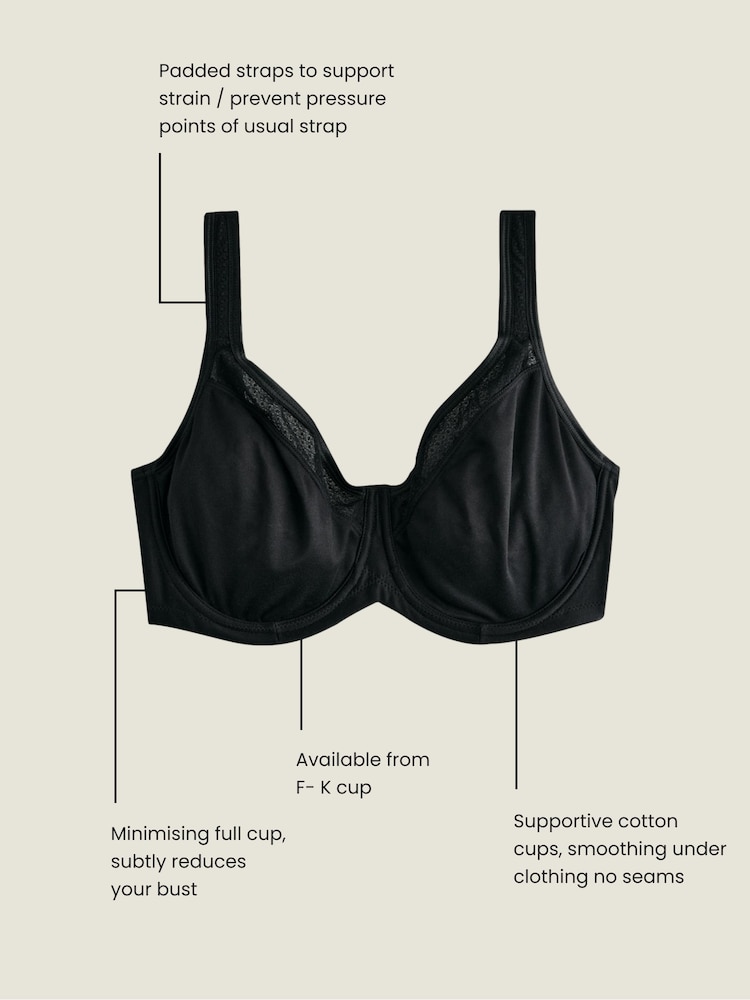
Introduction: The Structural Backbone of Modern Lingerie
In lingerie design, the most visible elements—lace patterns, colors, and silhouettes—often receive the most attention. However, experienced product developers understand that the true performance of a bra lies in its internal structure.
Among all structural components, underwire plays one of the most critical roles. It determines how a bra supports the bust, distributes weight, maintains shape, and performs after repeated wear.
For modern lingerie brands operating in competitive global markets, underwire quality is no longer just a technical detail. It directly affects:
- Product comfort
- Long-term durability
- Fit consistency across sizes
- Customer satisfaction and brand reputation
As the lingerie industry continues to evolve toward comfort-focused and performance-driven products, high-quality underwire has become a fundamental requirement for brands aiming to deliver reliable garments.
The Engineering Role of Underwire in Bra Design
Structural Support and Shape Stability
Underwire acts as the structural frame of a bra, supporting the cups and helping maintain the intended silhouette.
Its primary functions include:
- Supporting breast weight
- Defining cup shape
- Stabilizing the bra band
- Preventing fabric distortion
Without a well-designed underwire, bras can quickly lose shape, especially in larger cup sizes where structural support is essential.
A properly engineered underwire ensures that the bra maintains its structure even after repeated wearing and washing cycles.
Weight Distribution and Comfort
Modern bra engineering focuses heavily on biomechanics and ergonomic design.
A high-quality underwire helps distribute tension across the band and frame of the bra rather than concentrating pressure at a single point. This balanced support helps reduce:
- Shoulder strain
- Rib pressure
- Underarm discomfort
For consumers who wear bras for extended periods throughout the day, these structural improvements significantly enhance comfort and usability.
Materials Matter: What Makes a High-Quality Underwire
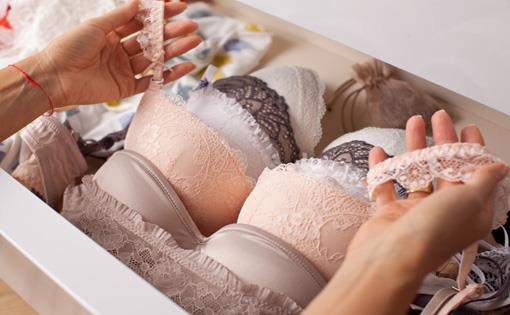
The performance of underwire begins with material selection and manufacturing precision.
Steel Composition and Flexibility
Most high-quality underwires are made from carbon steel or stainless steel, materials that provide an ideal balance between strength and flexibility.
Key material characteristics include:
- High tensile strength
- Elastic recovery after bending
- Resistance to permanent deformation
- Long-term structural stability
Low-quality metals often lose their shape quickly, leading to poor garment performance.
Protective Coating and Surface Treatment
Underwires are usually coated to ensure durability and safety when used in garments that come into contact with skin.
Common surface treatments include:
- Nylon powder coating
- Anti-corrosion plating
- Smooth edge finishing
These coatings help prevent rust, reduce friction inside the fabric channel, and ensure that the component remains comfortable for long-term wear.
Manufacturers that specialize in lingerie accessories invest heavily in consistent coating technology to maintain both safety and durability.
Precision Manufacturing and Size Range Development
Underwire design must adapt to different bra sizes and product categories.
For example, a wire designed for a B-cup cannot simply be scaled up for a G-cup. The curvature, length, and tension distribution must be carefully adjusted.
Professional manufacturers therefore develop underwire systems with:
- Accurate bending technology
- Consistent dimensional control
- Multiple size specifications
- Repeatable production standards
These processes ensure that every underwire performs consistently within a finished garment.
Testing methods often include:
- Flexibility and recovery tests
- Load distribution simulations
- Repeated bending cycles
These quality checks help maintain the integrity of the component throughout the product’s lifecycle.
Safety and Compliance in Lingerie Components
For brands selling in international markets such as Europe and North America, compliance standards play a critical role.
Because underwires and metal accessories are used in garments that come into direct contact with skin, they must meet strict material safety regulations.
For example, stainless steel bra wires and adjusters produced by Zhongshan Xinxu Garment Accessories Co., Ltd. have been certified under OEKO-TEX® STANDARD 100, Product Class II, which confirms their suitability for products with direct skin contact.
In addition, the facility has undergone evaluation under the Intertek Trim Supplier Qualification Program (TQP), which assesses management systems, process control, product testing, and monitoring practices.
These certifications help lingerie brands ensure that their supply chain meets global safety and quality expectations.
The Importance of Working with Reliable Trim Suppliers
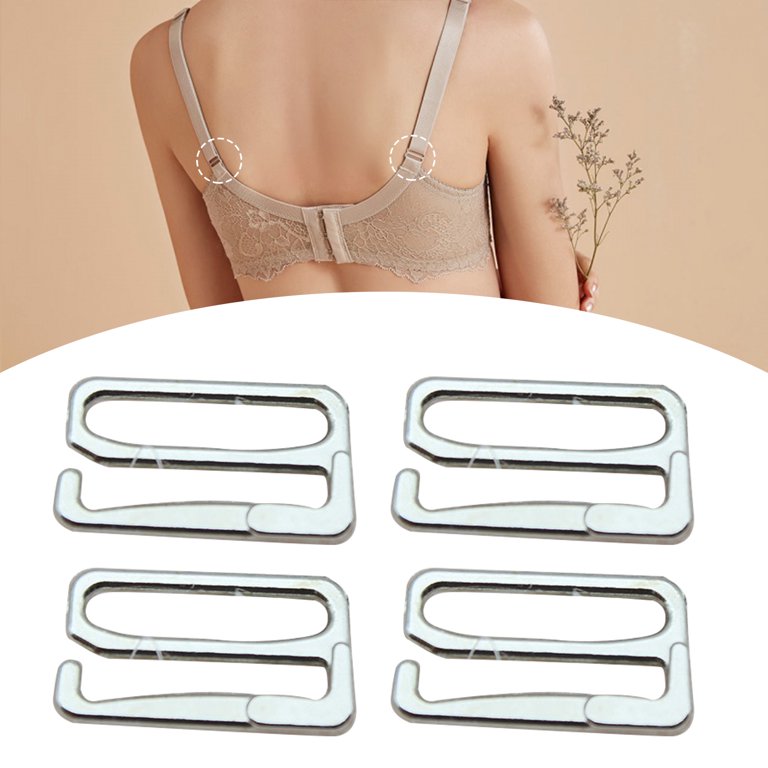
High-quality underwire depends not only on materials but also on manufacturing expertise and supplier reliability.
Experienced accessory manufacturers support lingerie brands through both technical capability and production consistency.
Companies such as Xinxu Underwear Accessory (HK) specialize in structural components used in lingerie and swimwear, including:
- Bra underwires
- Rings and sliders
- Strap adjusters
- Buckles and closures
- Metal trims for swimwear
Through advanced production processes and strict inspection systems, reliable suppliers help brands maintain consistent quality across large production runs.
Custom Development and OEM Support
Many lingerie brands require customized components tailored to their product design.
Professional accessory manufacturers provide services such as:
- Custom underwire shapes
- Multiple size specifications
- Specialized coatings
- Custom finishes for hardware
This collaborative approach allows brands to develop products that align with both aesthetic design and structural performance.
Industry Trends: Performance-Focused Lingerie
The global lingerie market is shifting toward products that combine comfort, durability, and technical performance.
Several trends are driving this shift:
- Increased demand for everyday comfort bras
- Expansion of inclusive sizing
- Hybrid lingerie-activewear designs
- Consumer awareness of garment quality
These trends make structural components—particularly underwire—more important than ever.
Brands that invest in high-quality internal components often see benefits such as:
- Lower product return rates
- Improved customer satisfaction
- Stronger brand credibility
Conclusion: Strong Structure Builds Strong Brands
Although underwire is hidden within the structure of a bra, its influence on product performance is significant.
From material quality and precision engineering to safety certification and manufacturing expertise, every detail contributes to how a bra feels, fits, and lasts over time.
For modern lingerie brands focused on quality and long-term customer trust, investing in reliable structural components is essential.
Working with experienced accessory suppliers such as Xinxu Underwear Accessory (HK) allows brands to build garments on a strong and dependable foundation.
FAQ: Underwire and Lingerie Manufacturing
What is the purpose of underwire in a bra?
Underwire provides structural support, helps shape the cups, and distributes weight evenly across the bra band for improved comfort and stability.
What materials are used for bra underwires?
Most high-quality underwires are made from carbon steel or stainless steel, often coated with nylon powder or protective finishes to prevent corrosion.
How do manufacturers test underwire durability?
Testing methods typically include bending tests, flex recovery simulations, load distribution tests, and corrosion resistance evaluations.
Why is certification important for lingerie accessories?
Certifications such as OEKO-TEX® STANDARD 100 confirm that materials are safe for skin contact and comply with international safety standards.
How can lingerie brands choose a reliable trim supplier?
Brands should evaluate suppliers based on manufacturing expertise, quality control systems, certification compliance, customization capability, and experience serving global markets.